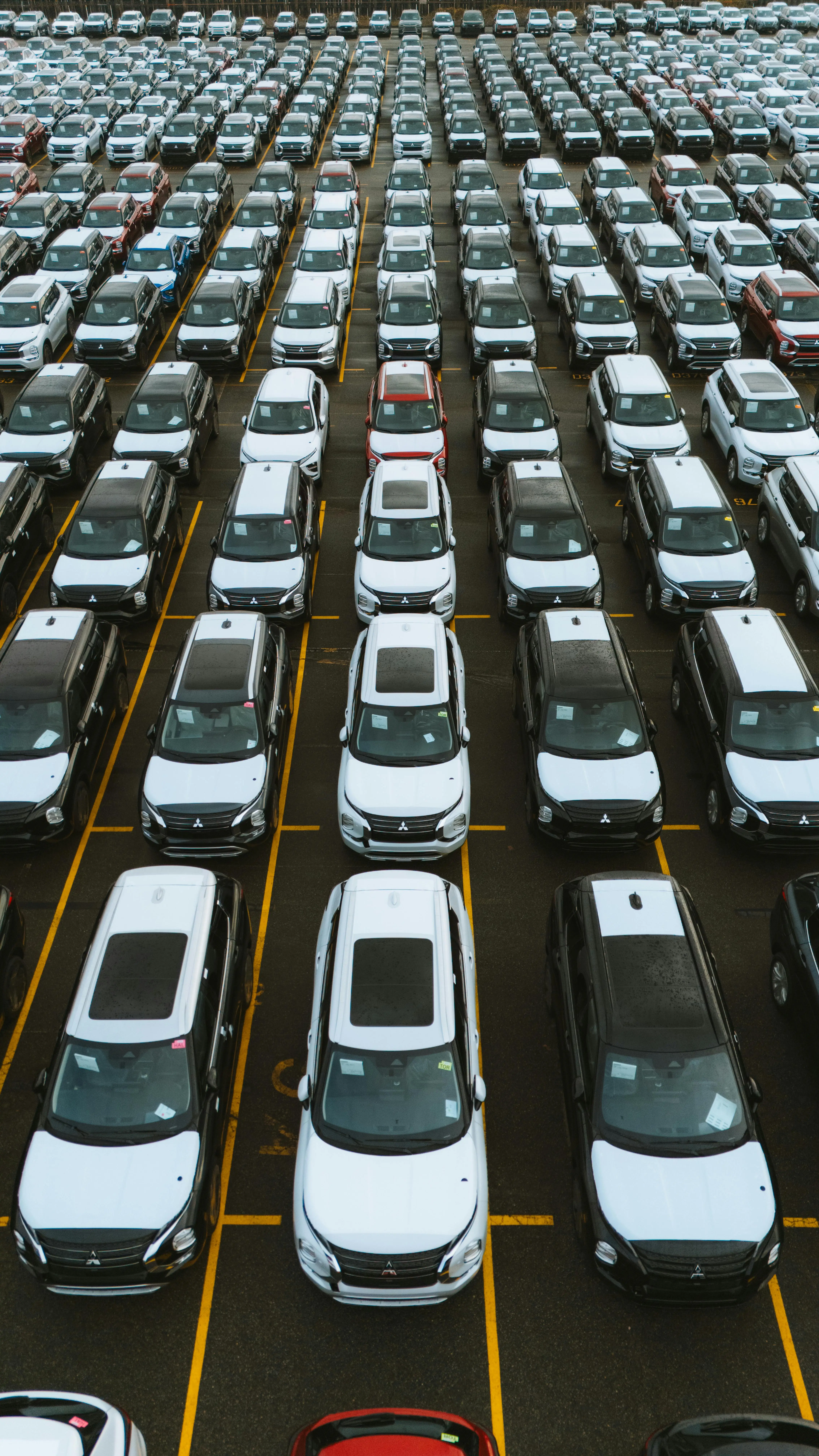
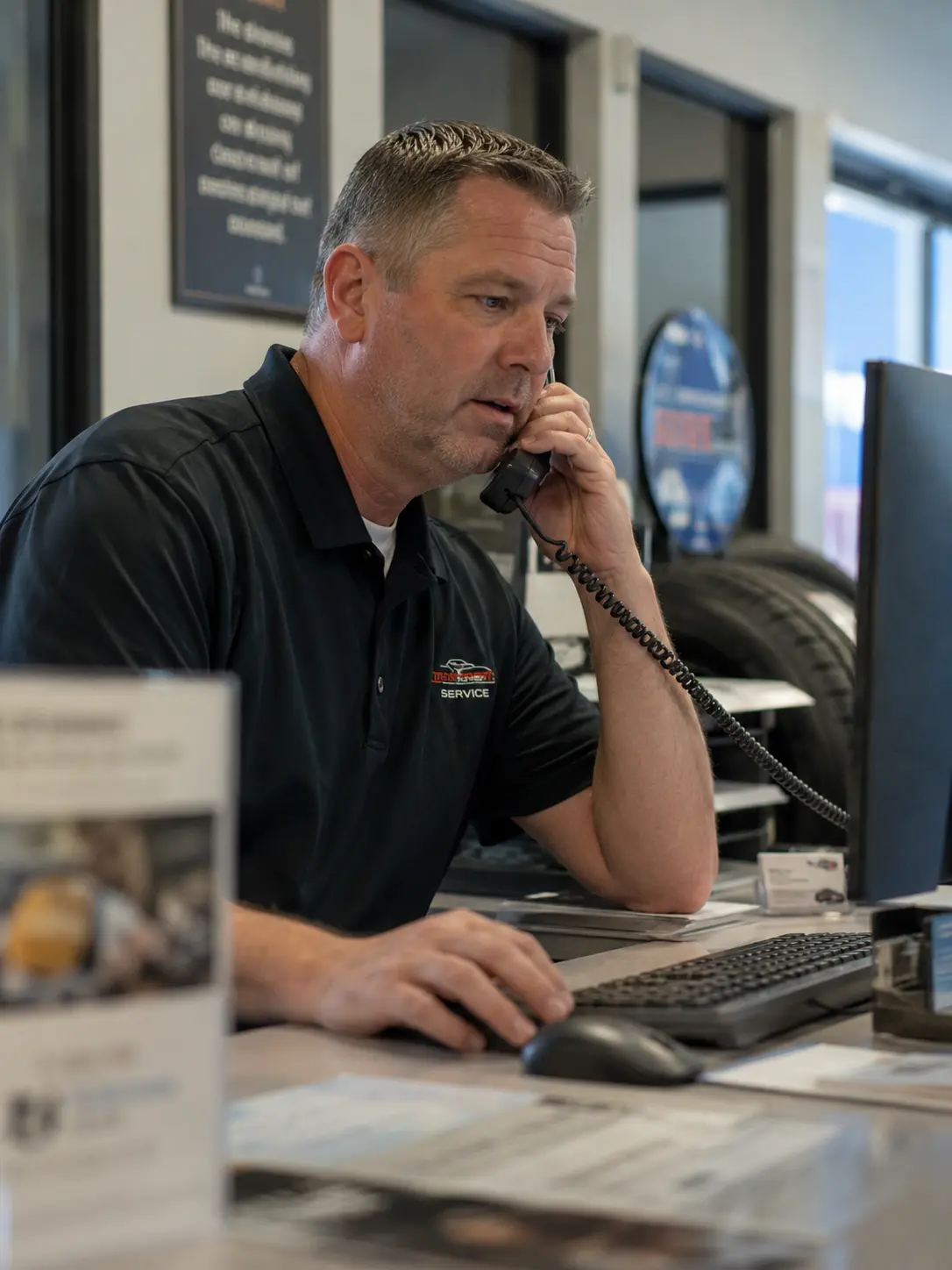
A Chrysler, Dodge, and Ram store is answering to two clocks at once right now. The factory wants more sales. The recall calendar wants more service capacity. Both show up on the same phone line, and neither one waits for the other.
That combination makes CDJR stores a different inbound problem than a single-line import franchise. The phone has to carry high-intent sales calls and safety-driven service calls without either one crowding out the other.
Why the sales mandate raises the cost of every dropped call
Stellantis told its roughly 2,400-member US dealer body in early 2026 that sales have to grow after seven straight years of decline, with executives pressing for a 25 percent increase (Detroit News). Whatever a store thinks of the target, the practical effect is the same: management attention shifts toward closing every reachable opportunity, and a phone inquiry that goes unanswered is now a growth-plan problem, not just a bad afternoon.
That pressure lands hardest on stores that already run lean on the desk. A sales lead who calls about a specific Ram 1500 or a Durango on the lot is not calling three dealerships to browse. If the call goes to voicemail during a write-up rush, the buyer moves to whichever store answers next.
Recall volume is a phone-line problem before it becomes a service-bay problem
CDJR stores also carry more recall-driven call volume than the average franchise, simply because of how often Stellantis issues campaigns across its truck and SUV lineup. In December 2025 alone, FCA US recalled more than 72,000 Ram 1500, 2500, and 3500 trucks for a software defect that could blank the instrument panel display while driving (WardsAuto). That is one campaign, on one model line, in one month.
Every one of those owners eventually calls their dealer. Some call anxious, because the letter used language like "safety risk." Some call annoyed, because it is the second or third recall notice they have gotten for the same truck. All of them want the same three things fast: VIN confirmed, eligibility checked, appointment booked. The mechanics of handling that call type without pulling an advisor off the drive are covered in how to handle VIN verification without pulling an advisor. For a CDJR store, that call type is not occasional. It is a recurring, predictable spike tied directly to the factory's own campaign schedule.
What one high-volume CDJR store actually captured
A high-volume Chrysler, Dodge, and Ram franchise ran Uobo Connect across a 30-day window and captured 1,160 calls that would otherwise have gone to voicemail or been missed entirely, closing 57 phone deals at a 42 percent closing ratio, the highest-converting lead source in the store for the period. Half of the call volume was service-side. The full breakdown, including the after-hours and weekend numbers, is in the Provincial Chrysler case study.
Other CDJR operators should pay less attention to the exact figures and more to the shape of the problem behind them. A franchise carrying both sales pressure and campaign-driven service volume was losing opportunity at the front desk, not because staff were bad at their jobs, but because two different kinds of call spikes were landing on the same limited set of hands.
What changes when sales and service calls are separated at intake
A CDJR store's inbound line should split intent before a human ever gets involved. Sales inquiries about a specific unit, trim, payment range, or trade get captured with that context and routed to sales rather than answered with a cold "someone will call you back." Recall and campaign calls get the VIN captured and checked against the open campaign automatically, with the appointment booked directly if parts are available. Routine service questions (status checks, general scheduling, parts availability) get resolved without pulling an advisor off the lane. Anything ambiguous or upset gets a warm transfer to a human, with a summary already attached instead of a caller repeating themselves from scratch.
None of this requires the store to change its DMS or CRM workflow. Structured lead and call data can move through the existing CRM email routing the store already uses, which matters for a franchise environment where procurement and IT bandwidth are already stretched thin managing OEM system requirements on top of everything else.
What to check before the next campaign letter goes out
A few questions worth running against your own store's current setup:
- If two recall calls and a sales inquiry hit the desk in the same five minutes, which one gets answered first, and who decides?
- Does a recall caller's VIN and eligibility status make it into the appointment note, or does the advisor re-verify it the day of the visit?
- When a sales call goes unanswered during a write-up rush, is there any record of what the caller was asking about, or does that opportunity just disappear?
If the honest answer to any of those is "it depends who's on the desk," that inconsistency, not overall call volume, is where a CDJR store is actually losing ground on both its sales mandate and its recall obligations at once.