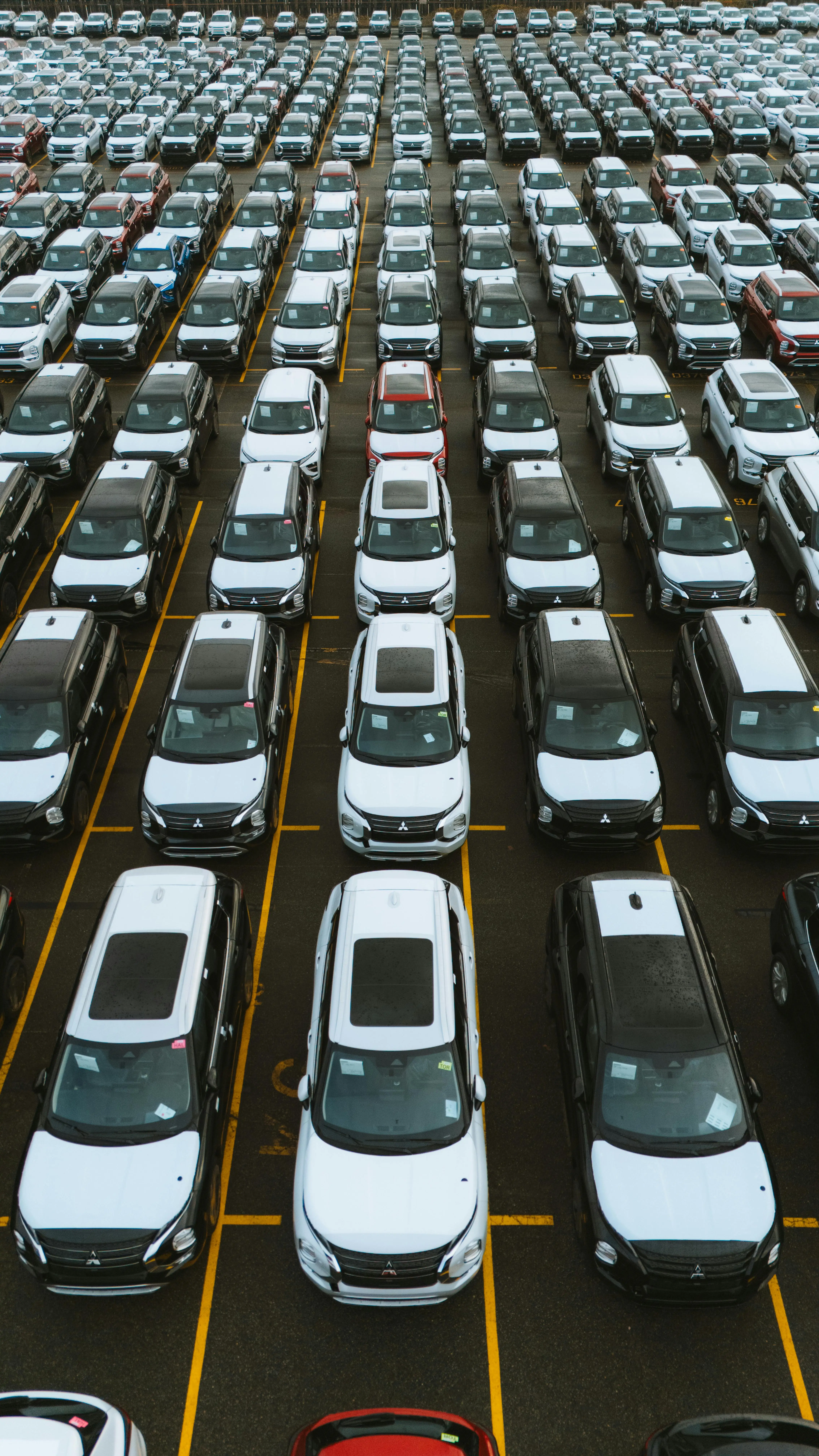
A Toyota store does not have a recall problem or a sales problem in isolation. It has a volume problem that touches both lines at once, because Toyota is not a mid-size franchise trying to protect its share of calls. It is the largest one.
Toyota finished 2025 as the best-selling individual brand in the US, crossing 2.14 million units for the year (Best Selling Cars), and the brand runs more than 1,200 dealerships across the country to move that volume, with California alone home to over 130 stores (ScrapeHero). No other single franchise nameplate answers phones at that scale. A Toyota store's baseline call volume, before a single recall or promotion hits, already runs higher than most other franchise types.
Why baseline volume is the real Toyota phone problem
Other franchise pieces in this series focus on a specific spike, a recall calendar or a factory sales push. Toyota carries both of those the way any high-volume brand does, but its core challenge sits underneath them: the sheer number of vehicles on the road and in the pipeline means every ordinary day generates more sales inquiries, service bookings, and parts calls than a comparably staffed store at a smaller franchise.
A front desk sized for average call volume at an average franchise is undersized the moment it is applied to Toyota's actual numbers. That gap rarely shows up as one dramatic missed-call day. It shows up as a steady trickle of calls that ring out during a write-up rush or a test-drive handoff, day after day, at a scale most staffing plans were never built to absorb.
When a software recall hits a fleet this size, it hits differently
Toyota's reliability reputation does not exempt it from recalls, and in August 2026 that showed up at scale. Toyota Motor North America recalled roughly 508,000 Camry Hybrid sedans from model years 2025 and 2026, built between August 2024 and June 2026, after finding a software error that can blank the instrument cluster display on startup. The same failure can also disable hazard lights, turn signal lamps, the seat belt warning system, and the smart key reminder, and Toyota estimates the defect is present in effectively all of the recalled vehicles (WardsAuto). Owner notification letters were set to start going out September 21, meaning the call volume from this single campaign was still building as this piece published.
Run that math against a network of 1,200-plus stores and the per-store number stops looking abstract. A recall this size does not land as a handful of anxious calls. It lands as sustained volume across every Toyota service department in the country at once, stacked on top of the baseline those same desks were already carrying.
What one high-volume franchise store captured over 30 days
A high-volume franchise dealership ran Uobo Connect across a 30-day window and captured 1,160 calls that would otherwise have gone to voicemail or been missed entirely, closing 57 phone deals at a 42 percent closing ratio, the highest-converting lead source in the store for the period. Half of that call volume was service-side. The full breakdown, including after-hours and weekend numbers, is in the full case study.
For a Toyota store's own math, which franchise generated that number matters less than the shape of the loss behind it. A well-run dealership was still losing more than a thousand calls a month to voicemail and gaps. Staff were not doing a bad job. Call volume at that scale simply outpaces what a front desk sized for an average day can absorb.
What changes when sales, service, and parts calls are separated at intake
A Toyota store's inbound line should split intent before a human ever gets involved. Sales calls about a specific RAV4, Camry, or Tacoma on the lot get captured with that context and routed to sales instead of parked on hold. Recall calls get the VIN captured and checked against the open campaign automatically, with the appointment booked directly when parts are on hand. Routine service questions, status checks, general scheduling, get resolved without pulling an advisor off the drive. Parts counter calls, often the quietest volume leak in a high-throughput store, get logged and routed the same way rather than lost between the counter and the phone. Anything ambiguous or upset gets a warm transfer to a human, with a summary already attached so the caller is not repeating themselves from scratch.
None of this requires a new DMS or CRM workflow. Structured lead and call data moves through the CRM email routing a store already has in place, which matters for a franchise where procurement and IT bandwidth are already stretched managing OEM system requirements on top of everything else.
What to check before the next recall letter goes out
A few questions worth running against your own store's current setup:
- On a normal Tuesday, how many calls ring out before anyone picks up, and does anyone track that number?
- When a recall caller's VIN gets checked, does that eligibility status make it into the appointment note, or does the advisor re-verify it the day of the visit?
- If a sales call about a specific unit goes unanswered during a rush, is there any record of what the caller was asking about, or does that opportunity just disappear?
If the honest answer to any of those is "it depends who's on the desk," that inconsistency, not the raw call count, is where a Toyota store is actually losing ground on a volume no other single franchise carries.